7 Best Color Checker Charts for 2026 (True Color Accuracy)
You need true color accuracy, and these 7 color checker charts deliver. Trust the Pixel Perfect SmartFlex cards for durable, crease-resistant performance.
Use Datacolor’s SpyderCHECKR 24 or SCK310 for expanded skin tones and workflow-friendly software. Rely on Calibrite’s Classic, Video, and Passport Video 2 for pro-grade profiling and multi-cam shoots.
With spectrally tuned patches, matte finishes, and smart designs, they handle any lighting. Pick your match based on portability, patch detail, and software support—your workflow gets smarter from here.

Quick Overview
- Spectrally engineered patches in tools like Pixel Perfect and Datacolor ensure minimal colorimetric error for true color accuracy.
- 24- to 62-patch options balance portability and precision, with expanded skin tones ideal for portrait and commercial work.
- Neutral gray, white, and exposure targets enable accurate in-camera white balance and consistent tonal calibration.
- DNG/ICC profile and LUT support ensure seamless integration with Lightroom, Capture One, and DaVinci Resolve workflows.
- Durable, portable designs with protective cases suit on-location shoots while maintaining color reference reliability.
| Pixel Perfect Color Correction Card (Set of 2) | 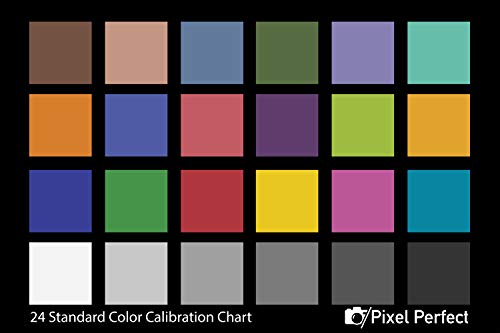 | Budget-Friendly Pick | Purpose: Color calibration, white balance, exposure | Size: 4 x 6 inches | Material: SmartFlex synthetic paper | VIEW LATEST PRICE | Read Our Analysis |
| Datacolor SpyderCHECKR 24 Color Calibration Tool |  | Best Overall | Purpose: Color calibration, white balance, multi-camera alignment | Size: Compact with protective sleeve | Material: Not specified (card with protective sleeve) | VIEW LATEST PRICE | Read Our Analysis |
| Calibrite ColorChecker Classic (CCC) |  | Professional Grade | Purpose: Camera profiling, white balance, color correction | Size: 8 x 11.5 inches | Material: Not specified | VIEW LATEST PRICE | Read Our Analysis |
| Calibrite ColorChecker Passport Video 2 (CCPPV2) |  | Best For Video | Purpose: Color control for stills/video, multi-camera matching | Size: Adjustable case, portable design | Material: Durable case with color targets | VIEW LATEST PRICE | Read Our Analysis |
| Datacolor Spyder Checkr Photo Color Accuracy Tool (SCK310) | 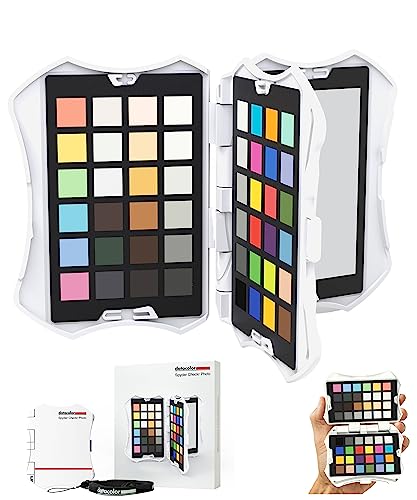 | Most Versatile | Purpose: Color accuracy, white balance, exposure calibration | Size: Pocket-sized | Material: Interchangeable cards in ergonomic case | VIEW LATEST PRICE | Read Our Analysis |
| Pixel Perfect Color Correction Card (2-Pack) |  | Best Value | Purpose: Color calibration, white balance, exposure | Size: 5 x 7 inches | Material: SmartFlex synthetic paper | VIEW LATEST PRICE | Read Our Analysis |
| Calibrite ColorChecker Video (CCVWB) |  | Editor’s Choice | Purpose: Video color reference, white balance, tonal calibration | Size: 8 x 11.5 inches | Material: Not specified | VIEW LATEST PRICE | Read Our Analysis |
More Details on Our Top Picks
Pixel Perfect Color Correction Card (Set of 2)
You’ll get spot-on color every time with the Pixel Perfect Color Correction Card (Set of 2), making it the go-to choice for photographers and videographers who demand professional accuracy without breaking the bank. You’ll use its grey card, white balance, and exposure targets in any light.
Its 4×6-inch SmartFlex body resists creases and fits in your gear bag. The matt finish kills glare, while spectrally tuned patches guarantee precise color calibration.
You’ll shoot confidently, knowing Adobe DNG Profile Editor support is free. Include it in your workflow and correct colors fast—no guesswork, just accuracy.
It’s small, tough, and built for real shoots. You’ll love how simple it makes pro-level results.- Purpose:Color calibration, white balance, exposure
- Size:4 x 6 inches
- Material:SmartFlex synthetic paper
- Finish:Matt coating
- Quantity:Set of 2
- Software Support:Adobe DNG Profile Editor (download link)
- Additional Feature:Includes free Adobe software
- Additional Feature:Spectrally formulated pigment patches
- Additional Feature:Lightweight for on-location use
Datacolor SpyderCHECKR 24 Color Calibration Tool
The Datacolor SpyderCHECKR 24 delivers precise color calibration for photographers and videographers who demand consistency across multiple cameras and lighting environments. You’ll use its 24 spectrally engineered color targets and grey card to capture accurate scene lighting and white balance.
It’s built for sRGB compatibility, so your colors stay consistent across devices. You can align DSLRs, smartphones, drones, and action cams effortlessly—perfect for multi-camera shoots.
Snap a test photo, import it into software, and generate custom HSL presets or white balance settings. It streamlines post-production with batch processing and reliable profiles.
Compact and durable, it slips into your bag with ease, ready for on-the-go shoots in changing light.- Purpose:Color calibration, white balance, multi-camera alignment
- Size:Compact with protective sleeve
- Material:Not specified (card with protective sleeve)
- Finish:Not specified
- Quantity:1 unit
- Software Support:Software-based HSL presets and white balance
- Additional Feature:24 spectrally engineered color targets
- Additional Feature:Aligns multiple camera systems
- Additional Feature:Optimizes RAW processing detail
Calibrite ColorChecker Classic (CCC)
Get accurate color right out of the gate with the Calibrite ColorChecker Classic (CCC), an essential tool for photographers, videographers, and print professionals who demand true-to-life color accuracy. You’ll use it to create custom DNG or ICC camera profiles, fix white balance, and grade video with confidence.
It’s perfect for color correction, checking lighting setups, or verifying print proofs. Measuring 8.12 x 11.5 inches and weighing almost nothing, it’s portable and ready to work.
With a 4.6-star rating from 824 users and the #1 spot in color calibration charts, it’s trusted and reliable. A 12V battery powers it, and Calibrite backs it with solid warranty support.- Purpose:Camera profiling, white balance, color correction
- Size:8 x 11.5 inches
- Material:Not specified
- Finish:Not specified
- Quantity:1 unit
- Software Support:Camera profile creation (DNG, ICC)
- Additional Feature:#1 best seller ranking
- Additional Feature:824 customer reviews
- Additional Feature:Supports graphic arts printing checks
Calibrite ColorChecker Passport Video 2 (CCPPV2)
Demand precise color accuracy across multiple cameras and mixed lighting? The Calibrite ColorChecker Passport Video 2 (CCPPV2) is your go-to solution.
You’ll use its ColorChecker Classic 24-patch, white balance, and dual video targets to nail consistent color in-camera or in post. It’s perfect for matching multi-camera setups and complex lighting.
You can generate DNG or ICC profiles with included software, boosting raw image accuracy. Its durable, adjustable case fits seamlessly on set, and the lanyard keeps it handy.
Redesigned for easy labeling, the CCPPV2 assures quick identification. You’re not just capturing footage—you’re assuring true, repeatable color every time.- Purpose:Color control for stills/video, multi-camera matching
- Size:Adjustable case, portable design
- Material:Durable case with color targets
- Finish:Not specified
- Quantity:1 unit (with multiple targets)
- Software Support:Camera Calibration software (DNG/ICC profiles)
- Additional Feature:Adjustable protective case
- Additional Feature:Two dedicated video targets
- Additional Feature:Redesigned for custom labeling
Datacolor Spyder Checkr Photo Color Accuracy Tool (SCK310)
Photographers who prioritize on-the-go precision will find Datacolor Spyder Checkr Photo (SCK310) their go-to color compass for reliable, pocket-sized calibration. You’ll shoot with confidence using its 62 ultra-matte color targets, including 24 hues, expanded skin tones, and dual large grey scales for quick white balance.
Its deep blacks and rich colors stay accurate in any light. You’ll generate custom HSL presets automatically and sync them into Lightroom Classic, Camera RAW, or Phocus via Spyder Checkr software.
The ergonomic case holds four swappable cards, adapting to any shoot. Compact, affordable, and award-winning, it streamlines editing so you spend less time correcting and more time creating.- Purpose:Color accuracy, white balance, exposure calibration
- Size:Pocket-sized
- Material:Interchangeable cards in ergonomic case
- Finish:Ultra-matte colors
- Quantity:1 unit (with 4 interchangeable cards)
- Software Support:Spyder Checkr software (Lightroom, ACR, Phocus)
- Additional Feature:62 color targets total
- Additional Feature:Expanded skin tone patches
- Additional Feature:Award-winning ergonomic case design
Pixel Perfect Color Correction Card (2-Pack)
You’re working in mixed lighting or rushing between shoots—this is where the Pixel Perfect Color Correction Card (2-Pack) earns its place in your kit. You’re grabbing accurate white balance, exposure, and color temperature fast, thanks to its spectrally formulated gray and white patches.
Printed on durable SmartFlex synthetic paper with a matte finish, it cuts glare and survives tough conditions. At 5″ x 7″, it slips easily into your bag.
You’re calibrating with confidence for both photos and video. You’ve got two cards, so you’re covered on multiple cameras or backup.
You’re also getting free Adobe software and DNG Editor support for custom profiles. It’s pro accuracy without the high price.- Purpose:Color calibration, white balance, exposure
- Size:5 x 7 inches
- Material:SmartFlex synthetic paper
- Finish:Matt finish
- Quantity:2-pack
- Software Support:Adobe DNG Profile Editor (download link)
- Additional Feature:Larger 5″ x 7″ size
- Additional Feature:Easy-to-follow setup instructions
- Additional Feature:Professional accuracy, budget-friendly price
Calibrite ColorChecker Video (CCVWB)
If you’re working in video production and need reliable on-set color accuracy, the Calibrite ColorChecker Video (CCVWB) has got you covered. It features six saturated and six de-saturated chips tailored for video, plus tonal chips with varied undertones to fine-tune skin tones and lighting.
Use the white, 40 IRE, deep gray, and high-gloss black patches for precise gray balance. You can set in-camera white balance quickly, ensuring neutral starting footage.
At 8 x 11.5 inches, it’s sized perfectly for framing and focus checks. You’ll capture consistent color across shoots and cameras, streamlining post.
It’s your go-to reference for professional, real-time color control.- Purpose:Video color reference, white balance, tonal calibration
- Size:8 x 11.5 inches
- Material:Not specified
- Finish:Not specified
- Quantity:1 unit
- Software Support:Not specified
- Additional Feature:Six saturated video chips
- Additional Feature:Six de-saturated video chips
- Additional Feature:In-camera white balance capable
Factors to Consider When Choosing Most Color Checker Charts
You’ll want to think about size and portability, especially if you’re shooting on the go. Check the target accuracy and range, material durability, finish, and how well it works with editing software.
A good chart should be easy to use on location without slowing you down.
Size and Portability
Picking the right size for your Color Checker Chart means balancing visibility and portability. If you shoot from a distance or use telephoto lenses, go for larger charts—around 8 x 11 inches or more—so the patches fill enough pixels for accurate analysis.
For close-ups or handheld sessions, a compact 4 x 6 inch card slips right into your pocket and works great. On location, lightweight, foldable designs save space and let you carry extras without bulk.
In multi-camera setups, use a big enough chart so every camera captures clear patch detail. Rigid or fold-out versions stand steady and stay visible under tricky lights, while tiny cards may need extra care and lighting.
Larger charts cut down on reshoots and tight framing, but smaller ones speed up quick white balance checks when time’s tight. Match the size to your kit and workflow—don’t overpack, don’t under-shoot.
Target Accuracy and Range
While color accuracy starts with reliable reference points, you need a chart built to deliver true-to-life results across lighting conditions. Choose one with spectrally engineered pigments that accurately represent primary, secondary, and skin-tone hues across the visible spectrum to minimize colorimetric error.
Make sure it includes neutral gray patches at multiple luminance levels, especially a mid-gray near 18% reflectance, for precise white balance and exposure. Pick a target whose patches fall within your working color gamut—like sRGB, Adobe RGB, or wider—so profiles map accurately without clipping.
Opt for charts with 24+ patches, including varied grays and skin tones, to capture subtle differences in hue, saturation, and luminance. Confirm the inks are stable and low in metamerism so spectral responses stay consistent over time and under different lights.
Material Durability and Finish
Even the most accurate color patches lose their value if the chart degrades under regular use. You need a durable material that stands up to real-world handling.
Choose synthetic or coated papers with a matte finish to cut glare and avoid exposure errors. Avoid glossy surfaces or those with UV coatings and optical brighteners—they mess with spectral accuracy.
Look for flexible, tear- and water-resistant substrates that handle outdoor shoots and sweat without warping. Reinforced edges or protective sleeves help prevent creasing and light-edge fringing over time.
Make sure the surface is abrasion-resistant so colors don’t scratch or fade, even after frequent cleaning. A stable, color-fast coating keeps your reference reliable.
Don’t settle for flimsy cards; invest in robust construction. Your workflow depends on a chart that lasts—physically and spectrally—through heavy use.
Software Compatibility and Support
You’ll want software that speaks your workflow’s language, so check that the chart’s companion tools export profiles in formats your editing suite accepts—like DNG, ICC, or camera-specific LUTs. Make sure it integrates directly with your go-to apps like Lightroom, Capture One, or DaVinci Resolve to skip tedious manual steps.
You’ll save time if it supports batch processing and auto-applies profiles across entire shoots. Don’t settle for basic white balance fixes—look for tools that handle full color calibration, including HSL adjustments and 3D LUTs, whether you shoot stills or video.
Keep things running smoothly by choosing a vendor that delivers regular software updates and clear setup guides, including OS requirements and direct download links. Outdated tools will stall your workflow, so confirm compatibility with current and recent versions of your editing software to stay efficient and accurate.
Ease of Use On Location
Often, the best color checker charts for on-location work are the ones that fit in your pocket. You want something compact and lightweight, ideally card-sized with a rigid backing or protective sleeve so it’s ready when you are.
A matte, non-reflective surface keeps glare off in mixed lighting, so your white balance stays accurate. Look for charts with bold, clearly labeled patches—especially large neutral and white swatches—so you can frame them fast, even in tight spots.
Labels like “white” or “skin” save time and cut down on errors. Durable, water-resistant materials handle rough handling without blowing your workflow.
Foldable or multi-card designs give you more options without bulking up your bag. Just unfold, shoot, and move on—no fuss, no delays.
You’ll stay sharp, even on fast-moving sets.
Workflow Integration Efficiency
You’ve got your color checker in hand and the shoot’s moving fast—now it’s time to make sure that chart works seamlessly in your post workflow. Choose a chart whose patch layout is fully supported by your RAW software so you can build DNG or ICC profiles without manual mapping.
Pick a size and shape that fits smoothly into your setup—handheld, on a stand, or in the scene—so you’re not slowing down shoots. Go for one with big, clearly separated neutral and exposure patches for quick in-camera white balance and exposure checks.
Make sure the bundled or compatible software lets you batch-apply profiles and assign them across multiple images or cameras automatically. Confirm the chart delivers consistent, reliable readings under different lights, and keep your process simple: capture → generate profile → apply.
A smooth import and correction path means faster, repeatable results every time.
Specialized Use Applications
When your work demands precision, picking the right color checker means matching its design to your specific needs. If you’re handling basic edits, a compact 24-patch chart works fine, but for portrait or commercial work, go for extended skin tones, extra greyscales, and broader hues.
Shooting video or juggling multiple cameras? Choose targets with large neutral patches and tonal ramps to lock in white balance and match color across setups.
When you’re doing RAW profiling or print proofing, pick charts with spectrally engineered patches and wide gamut coverage to build reliable DNG/ICC profiles and keep shadow and highlight detail intact. Shooting on location?
Grab a collapsible or pocket-sized chart with key elements—grey, white, and skin tones—so you don’t sacrifice accuracy for portability. For studio portraits or beauty shots, you need calibrated skin tone patches and fine greyscales to nail accurate flesh tones and judge exposure precisely.
Frequently Asked Questions
How Do I Clean My Color Checker Chart?
You clean your color checker chart by gently wiping it with a soft, lint-free cloth. Use a tiny bit of water or mild soapy solution if needed, but don’t soak it.
Let it air dry completely before storing or using it again.
Can I Use Color Checkers for Skin Tone Accuracy?
You can use color checkers for skin tone accuracy—they’re like tuning forks for your camera. A pro once matched a model’s golden-hour glow perfectly, saving hours in post.
Just hold the chart near their face, and you’ll nail tones fast and right every time.
Do Color Checker Charts Expire Over Time?
No, color checker charts don’t expire, but they can fade or get damaged over time. You’ll need to keep yours clean and out of direct sunlight so the colors stay accurate for reliable results.
Are Color Checkers Useful in Low Light?
You’re a wizard in the dark—color checkers absolutely work in low light. Just crank up your exposure, stay steady, and they’ll nail white balance and color grading like a dream, even when light’s nearly gone.
Can I Use These With Smartphone Cameras?
You can use them with smartphone cameras, but you’ll need good lighting and a steady hand. They work best when you’re close enough to fill the frame, avoiding glare and distortions that mess up color accuracy.
Conclusion
You crave true colors, yet settle for dull, lifeless shots. With the right chart, vibrant, honest hues leap from your screen—raw and real.
But without it? Flat, misleading tones whisper lies.
These tools don’t just correct—they transform. Trust your eyes.
Trust your art. Let every image scream truth in a world drowning in fakes.
Choose wisely. Because in a frame, every shade tells a story.
Yours should be authentic.